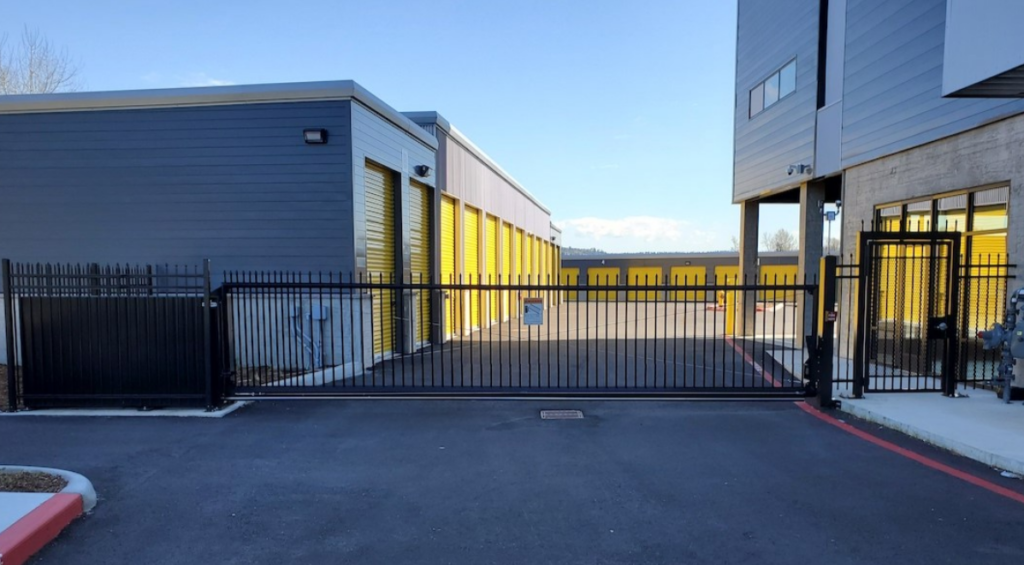
To winterize commercial gates and access control systems in Western Washington, weatherproofing automation components, and upgrading lighting for shorter daylight hours is required. It also entails protecting power supplies from moisture damage and implementing remote monitoring. All of these are essential steps because cold, wet conditions cause mechanical failures, electrical corrosion, and reduced visibility that compromise perimeter security.
A single gate failure during a storm can leave your entire commercial property vulnerable. Western Washington winters present unique challenges that test the resilience of commercial security infrastructure. Unlike regions with extreme cold and snow, our climate delivers relentless rain, powerful wind gusts, and extended periods of darkness that gradually degrade even the most robust security systems.
Property managers who wait until equipment fails during a December downpour find themselves facing emergency repair costs, compromised security, and disrupted business operations. The solution lies in strategic preparation before winter weather arrives, transforming potential vulnerabilities into fortified defense points that perform reliably through the wettest, windiest months of the year.
Table of Contents
How Does Winter Impact Commercial Security Systems?
Western Washington’s winter climate creates specific conditions that directly affect gate automation and access control performance. Sustained rainfall introduces moisture into electrical components, junction boxes, and control panels that were designed to resist occasional exposure but struggle under constant wetness.
Wind-driven rain reaches areas typically protected by standard enclosures, finding entry points through cable conduits and mounting brackets. Shorter daylight hours mean security systems operate in darkness for significantly more time, exposing inadequate lighting and creating blind spots that compromise both automated monitoring and human surveillance.
Temperature fluctuations, while less extreme than in other regions, still cause expansion and contraction in metal components, loosening connections and creating gaps in weather seals. Leaves, debris, and standing water accumulate in track systems and around gate foundations, interfering with smooth operation. These conditions compound over weeks and months, gradually degrading system performance until complete failure occurs at the worst possible moment.
How Can You Weatherproof Your Commercial Gate and Access Control Systems?
Comprehensive evaluation is the foundation of effective winter commercial security preparation. Facility managers should schedule thorough inspections at least six weeks before the typical storm season arrival, allowing adequate time for repairs and upgrades.
Physical examination of gate operators reveals signs of wear that wet weather will aggravate, such as rust formation on mounting hardware, frayed cables, degraded lubricants, and loose electrical connections. All indicate that these components require attention before winter stress amplifies existing problems.
Gate operators require upgraded weather seals on all access panels, with particular attention to cable entry points where factory seals may have degraded over time. Silicone sealant application around conduit fittings and junction box covers creates barriers against moisture intrusion that standard installation methods may not provide.
Electrical control boards benefit from moisture-absorbing packets placed inside operator housings, creating a microenvironment that resists condensation formation even when external temperatures drop. Heating elements designed specifically for outdoor electrical enclosures maintain internal temperatures above the dew point, preventing the moisture accumulation that causes short circuits and component corrosion.
You should also change your lubrication strategy for winter conditions. Standard lubricants thicken in cold temperatures, increasing resistance and motor strain. Winter-grade lubricants maintain proper viscosity across temperature ranges typical to Western Washington, ensuring smooth operation without excessive power consumption. Regular reapplication throughout the winter season maintains protection as rainfall gradually strips lubricants from exposed surfaces.
What Kind of Winter Maintenance Should You Do on Your Access Control System?
Access control readers and entry devices face unique challenges during the winter months. Card readers mounted outdoors require verified water resistance ratings appropriate for constant rain exposure rather than occasional weather. Manufacturers rate readers using IP (Ingress Protection) codes, and Western Washington installations should meet minimum IP65 ratings for effective moisture and dust resistance.
Upgrading older readers to current weatherproof models prevents the read failures and card damage that occur when moisture penetrates reader housings.
Critical maintenance tasks for access control winterization include:
- Verification of all cable connections for moisture resistance – Check that Ethernet cables, power conductors, and data lines use properly sealed connectors with dielectric grease application on all contact points to prevent corrosion from moisture intrusion
- Testing backup power systems under load – Confirm that battery backups maintain adequate charge and capacity to operate gates and access control during the power outages common to winter storms, replacing aging batteries before they fail under stress
Keypad entry systems require attention to moisture resistance. Membrane keypads fare better than mechanical button systems in wet conditions, and backlit displays maintain visibility during dark morning and evening hours when natural light proves insufficient. Regular cleaning removes salt, dirt, and organic growth that rain deposits on keypad surfaces, preventing button sticking and display degradation.
Compare the Standard Configuration to the Winterized Configuration of Gate Systems
Understanding the tangible differences between basic gate installations and properly winterized systems will help you make informed investment decisions. While standard configurations meet minimum operational requirements during favorable weather, they expose commercial properties to significant risk when Western Washington’s harsh winter conditions arrive.
The performance gaps become particularly evident during extended storms when properties need security systems most, yet inadequately prepared equipment fails precisely when reliability matters. The following comparison demonstrates how strategic upgrades transform vulnerable installations into resilient security infrastructure that maintains consistent performance regardless of environmental challenges.
| System Component | Standard Configuration | Winterized Configuration | Winter Performance Improvement |
| Gate Operator Housing | Factory weather seals | Enhanced seals + heating element | 80% reduction in moisture-related failures |
| Access Card Reader | IP54 rated | IP65+ rated with weather shield | 95% uptime vs. 70% in wet conditions |
| Backup Power System | Standard battery | Cold-weather battery + charge monitoring | 60% longer runtime during outages |
| Perimeter Lighting | Standard LED fixtures | Weather-sealed LED + motion activation | 40% better visibility + energy savings |
The investment in winterized configurations pays dividends through reduced emergency service calls, eliminated downtime during critical business hours, and extended equipment lifespan that reduces the total cost of ownership.
How Important is Lighting for Commercial Properties?
Shorter daylight hours during Western Washington winters mean commercial properties operate in darkness for extended periods, making lighting upgrades essential components of comprehensive winter commercial security preparation. Strategic placement addresses specific security needs. Gate entry points require bright, even illumination that eliminates shadows where intruders might hide and provides clear visibility for security cameras.
Motion-activated lighting conserves energy while providing psychological deterrence, with sudden illumination startling potential intruders and drawing attention to perimeter breaches. Electrical infrastructure supporting gate automation and access control systems faces significant challenges during Western Washington winter storms.
Wind damage to power lines creates outages ranging from momentary interruptions to extended blackouts lasting hours or days. Battery backup systems maintain security functionality during power outages, but battery performance degrades in cold temperatures.
Cold-weather battery formulations maintain capacity and charging efficiency across the temperature ranges typical to Western Washington winters. Capacity calculations should account for extended outage duration, providing sufficient power to operate gates and access control for at least 24 hours without external power.
Should Remote Monitoring Be a Part of Your Commercial Property Security System?
Winter conditions that limit physical site access make remote monitoring capabilities increasingly valuable for commercial property management. Modern access control systems integrate with network infrastructure, allowing you to monitor gate status, review access logs, and control entry permissions from any location with internet connectivity.
Video surveillance integration provides visual confirmation of system status and security events, eliminating the need for physical site visits during inclement weather.
Advanced remote monitoring features include:
- Real-time alerts for gate malfunctions or unauthorized access attempts – Immediate notifications via text message or email allow rapid response to security events or equipment failures before they escalate into major problems
- Remote gate operation for emergency access or vendor entry – Cloud-based control systems enable managers to grant temporary access to delivery drivers, maintenance personnel, or emergency responders without requiring on-site presence or issuing permanent credentials
Cloud-based systems eliminate on-site server requirements, reducing infrastructure costs while improving data security through professional data center management. Weatherproof gate automation integrated with remote monitoring creates security systems that adapt to changing conditions and provide you with the information needed for informed decision-making, regardless of weather or access challenges.
Who Can Help You Winterize Commercial Gates and Access Control Systems?
Security Gate and Access brings specialized expertise in winter commercial gate security in Western Washington, understanding the unique challenges our climate presents to commercial security infrastructure.
Our team works with trusted brands and proven hardware solutions designed specifically for the moisture, wind, and temperature conditions typical of our region. We provide comprehensive winterization services that go beyond basic maintenance to include system upgrades, weatherproofing enhancements, and remote monitoring integration tailored to each facility’s specific needs.
Our approach begins with detailed site assessments that identify vulnerabilities before winter weather exposes them. We recommend solutions based on actual performance in Western Washington conditions rather than generic specifications that may not address local environmental factors.
We also maintain relationships with leading manufacturers, ensuring access to the latest weatherproof technologies and replacement components when needed. Our local presence means rapid response times and familiarity with regional building codes, environmental regulations, and security best practices specific to Western Washington commercial properties.
Winterizing Commercial Gates and Access Control Systems is a Must
Winter preparation for commercial gate and access control systems is smart. The costs of emergency repairs, compromised security during equipment failures, and business disruption from inoperable access points far exceed the investment in strategic winterization.
Property managers who address vulnerabilities before winter weather arrives protect both physical assets and operational continuity, ensuring that security systems perform their essential functions regardless of environmental challenges. Western Washington’s unique climate demands specific solutions, like weatherproof gate automation, properly maintained access control, adequate lighting, reliable power systems, and remote monitoring capabilities.
Combined, these solutions create a comprehensive security infrastructure that effectively protects your facility year-round.