
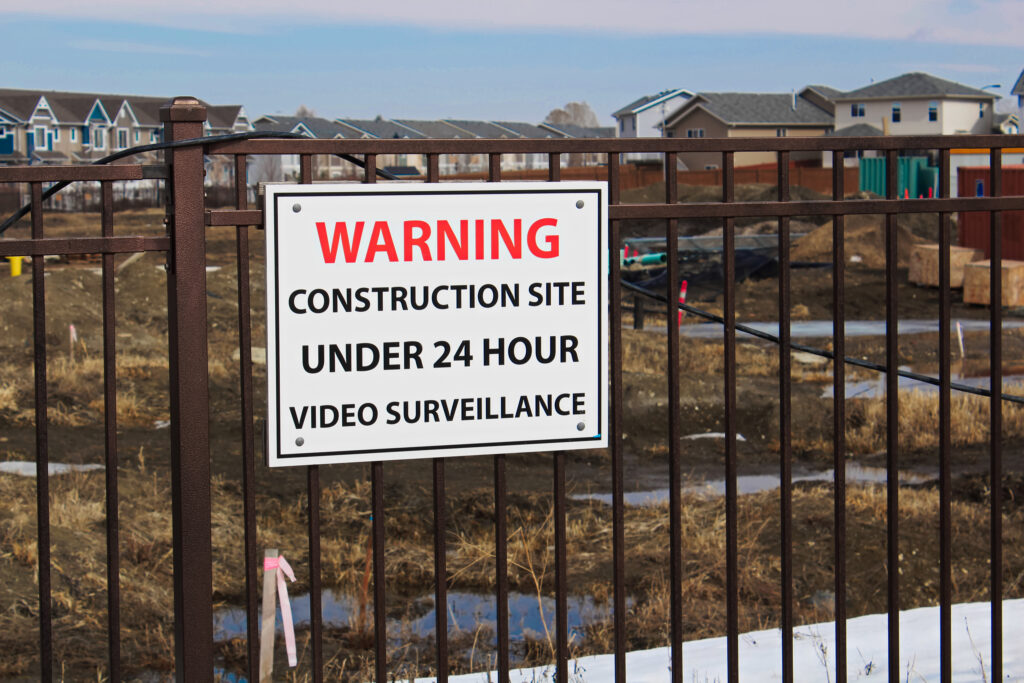
For Washington builders, the first 10 feet of construction site perimeter security sets the tone. A clean, solid edge tells intruders the site is watched. A sloppy edge says no one is paying attention, and that invites theft.
One broken link in a chain-link fence, or one sagging gate, may look like minor wear to a driver. To a skilled thief, it looks like an open door.
Jobsite theft prevention depends on how criminals judge their odds of getting caught. They make that call within seconds of walking up. The outer edge of the project is the first message you send to the public.
When that edge looks weak, the math changes for a criminal. Security works on the mind as much as on the body. That makes the first approach the most important zone on the site.
Crime Prevention Through Environmental Design, or CPTED, holds that people act based on their surroundings. Criminals look for the easy path. They want to slip in, grab what’s valuable, and leave without being seen.
A clean, visible boundary makes an intruder think twice. A simple fence becomes a strong mental barrier.
Here is why the first 10 feet of your construction site perimeter security shapes criminal behavior.
Table of Contents
How Does the Psychology of Environmental Design Influence Intruders?
Criminals size up a target by weighing effort, risk, and reward. The look of your fence line answers those questions at a glance. Tight panels and a solid gate suggest cameras, alarms, and fast police response. A messy edge suggests no one is watching, so the thief expects plenty of time.
Clean lines, taut panels, and pro installs show that managers pay attention. A trespasser then assumes the inside of the site is just as well guarded.
When construction site perimeter security looks neglected, intruders assume the inside is neglected too. A messy barrier hints that a thief can roam the site without being seen.
Good design steers how a criminal decides. The goal is to make the site look too hard and too risky to be worth it.
| Well-Engineered Perimeter | Neglected / Poorly Built Perimeter |
| Signals active monitoring | Suggests management oversight is absent |
| Increases perceived arrest risk | Lowers psychological barriers to entry |
| Forces intruders to seek easier targets | Invites opportunistic scouting and theft |
| Minimizes vulnerabilities at entry points | Creates blind spots and weak entry points |
In the end, a well-built perimeter keeps threats away because it shows full control of the space.
Why is the First 10 Feet of Construction Site Perimeter Security the Most Critical Zone?
The first 10 feet is where a criminal decides to act or walk away. It holds the fence, the signs, and the gates that show how secure the site is. If this zone feels tight and exposed, most intruders move on. That makes it the best place to spend your security effort.
This strip should be easy for people on the street to see through, but hard for anyone to cross.
Keep this zone clean so there are no blind spots near the edge. High-visibility temporary fencing solutions let the public see in from the street. An intruder can’t hide while trying to get through.
When a thief feels seen by passing traffic, the pressure rises. A tidy zone removes the cover a break-in needs.
How Do Temporary Fencing Solutions Create an Actively Monitored Zone?
Good temporary fencing does more than mark a line. Anti-climb mesh, weighted bases, and tight clamps make the fence hard to beat. Clear sightlines let passing traffic see in. When panels stay straight and secure, they show that crews check the site often. That tells anyone scouting the area that the site is watched.
Strong anti-climb mesh panels are tough to get over, yet easy to see through.
Here are a few temporary fencing features that help keep criminals out:
- Anti-climb mesh removes the toeholds that standard chain-link offers.
- Heavy weighted feet and secure clamps stop thieves from lifting panels.
- Privacy screens hide tools at ground level but keep upper views clear.
- Reflective warning signs on the mesh point out active monitoring.
Together, these features turn the fence into an active part of your defense. A crisp fence line shows that every inch of the site gets checked.
How Does Commercial Security Gate Installation Prevent Unauthorized Access?
A pro gate install closes the weakest point on most jobsites: the main entrance. The gate must fit the fence line with no wide gaps at the bottom or sides. Heavy, well-aligned gates with good locks stop thieves from testing the entry. Access logs also track who comes and goes after hours.
Weak gates invite intruders to try the locks. Strong, well-hung gates discourage them from trying at all. Our commercial electric gates are built for this kind of daily use.
Here is how a commercial security gate install keeps people out:
- Automatic cantilever gates keep tracks hidden from tampering and ramming.
- Electronic access logs record every entry and exit.
- Heavy-gauge steel resists bending and cutting with hand tools.
- Built-in locks keep the gate rigid against forced entry.
A strong entry system means the gate is as tough as the fence around it. A tight seal between gate and fence removes the weak spots criminals look for.
Why Do Broken Barriers Act as an Invitation for Criminal Activity?
A broken fence tells a criminal that no one is in charge. A sagging panel, a rusted chain, or a crooked gate looks like neglect. Thieves read that as a green light. They assume that if managers ignore the outside, the inside is unguarded too. They also get easy, hidden ways in.
This turns a decent jobsite into an easy target. Copper, tools, and heavy machines vanish fast from sites that look abandoned.
Broken barriers also create blind spots and weak points. Thieves use them after dark. A loose panel lets a thief slip in within seconds, out of view of the street.
Once inside, the intruder can work unseen. Letting the outside fall apart drives up jobsite theft.
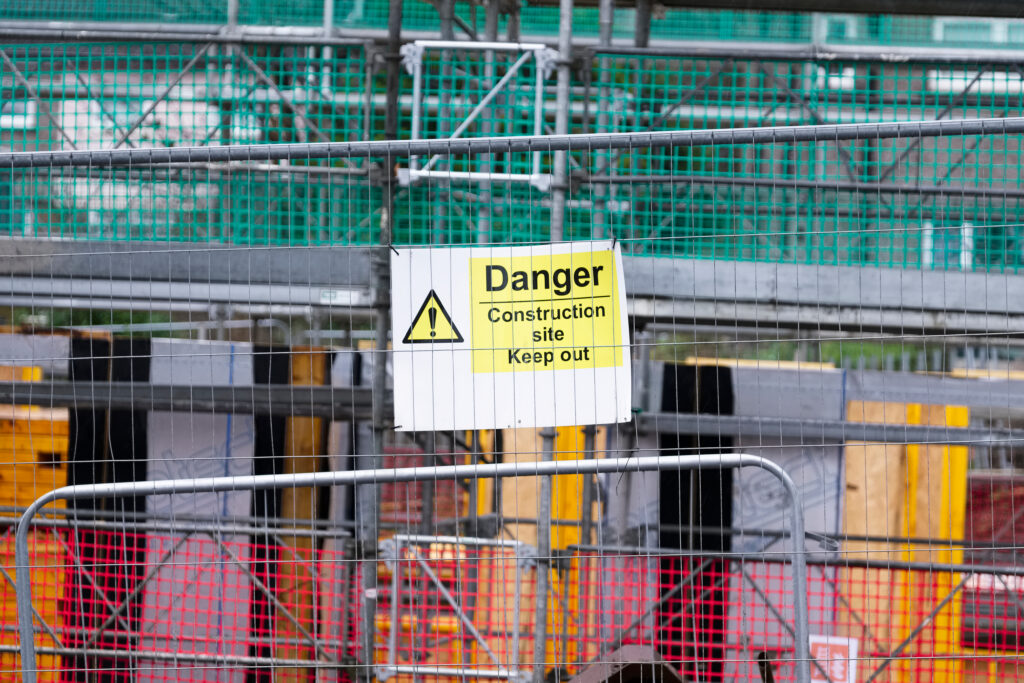
How Can Washington Contractors Maintain a Defensible Perimeter?
Washington contractors keep a strong perimeter by checking it every day and fixing problems fast. Crews should walk the full fence line at the end of each shift. They should look for shifted panels, loose clamps, and gate damage. Quick repairs close gaps before thieves find them.
Remote sites and city crime trends both add risk in our region. A daily check is the simplest way to stay ahead of them.
Pick gear built for local ground and weather. Light, cheap barriers fail fast in wind and rain. That leaves the exact weak spots that invite crime.
Work with local pros who know what our sites face. They can help you build a boundary that holds up to both weather and attacks.
How Does Security Gate and Access Help with Construction Site Perimeter Security?
Security Gate and Access builds jobsite perimeters that stop thieves at the edge. We install heavy-duty commercial gates, anti-climb temporary fencing, and jobsite electric fence systems. Every perimeter we build is designed to look watched, close every gap, and keep your tools and materials on site.
We know how jobsite thieves think. We design each perimeter to show clear control and active monitoring.
We use strong materials and careful install work. That removes the gaps and sagging lines that invite crime.
Contractors across Washington count on us for tough, visible boundaries that make thieves turn away. From automatic gates to anti-climb fencing, we provide what you need to protect the jobsite.
Protection starts at the outer edge. The right partner makes sure your first line of defense holds.
What Are the Long-Term Benefits of a Well-Engineered Construction Site Perimeter?
A well-built perimeter cuts theft, delays, and insurance claims over the life of a project. When thieves skip your site, work keeps moving. Strong barriers also protect costly tools and materials, so the upfront cost pays for itself. A clean perimeter also shows clients and inspectors that you run an organized site.
In the end, a secure edge builds your name as a professional, well-run builder. Contact us to plan your next jobsite perimeter.
Frequently Asked Questions
What is construction site perimeter security?
Construction site perimeter security is the set of fences, gates, signs, lights, and alarms around the outer edge of a jobsite. It keeps out thieves and trespassers, protects tools and materials, and controls who enters. A strong perimeter also shows that the site is watched, which stops many crimes before they start.
Why are the first 10 feet of a jobsite so important?
The first 10 feet is where a thief decides whether to try a break-in. Fences, gates, and signs in this zone show how secure the site is. A clean, tight edge makes the site look risky. A sagging or broken edge makes it look easy, so thieves are more likely to try.
How often should a jobsite fence be checked?
Check the full fence line at the end of every shift. Look for shifted panels, loose clamps, gaps under the fence, and gate damage. Fix problems the same day if you can. Daily checks close weak spots before thieves find them and show that the site is cared for.
What type of fence works best for construction site security?
Anti-climb mesh panels with weighted bases and secure clamps work well for most jobsites. They are hard to climb or lift but easy to see through. For high-value sites, add a heavy-duty access gate and an electric fence system with alarms for stronger protection.